
Without balance, there is no future
Without balance, there is no future
The land is a resource to protect.
That is why we adopt agricultural practices focused on sustainability and environmental stewardship.
The land gives back what it receives.
Respect for the soil is the foundation of every decision we make.
The land is a resource to protect.
stewardship.
The land gives back what it receives.
Respect for the soil is the foundation of every decision we make.
Concrete actions, 365 days a year
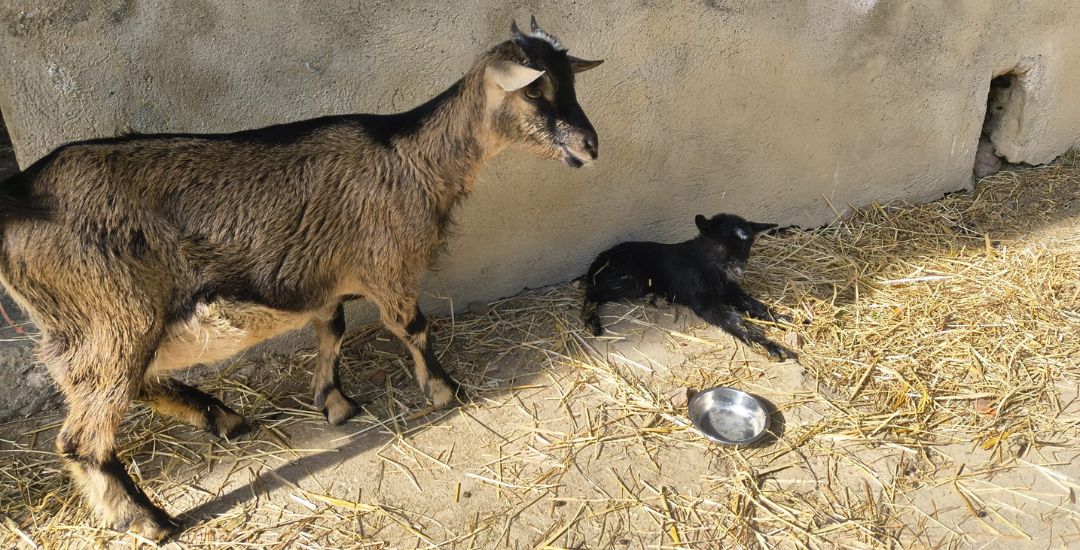
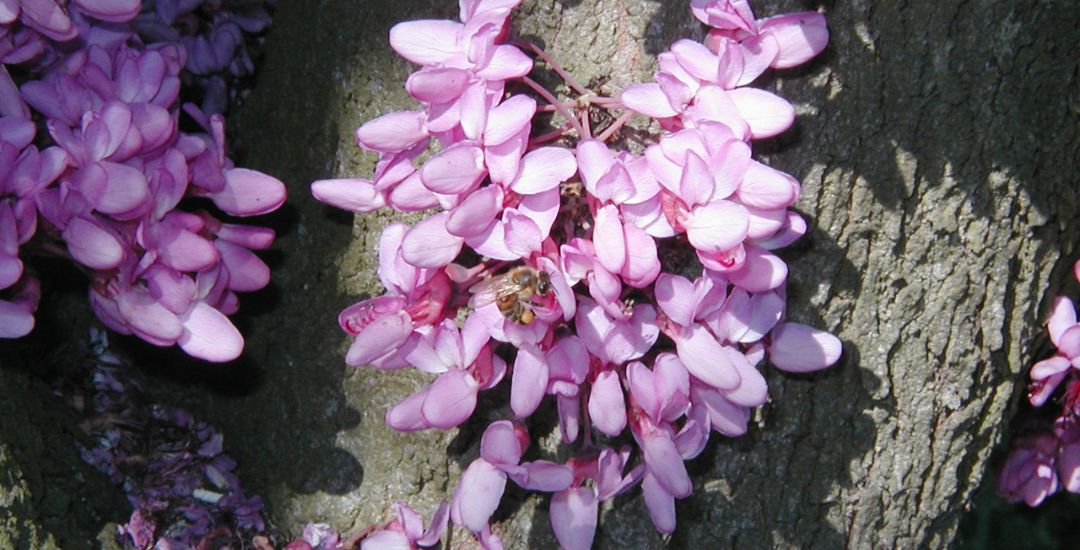
Our rice fields are a living ecosystem that supports biodiversity, environmental balance, and the protection of local flora and fauna.
Because we are young, and we believe in looking ahead.
Winter
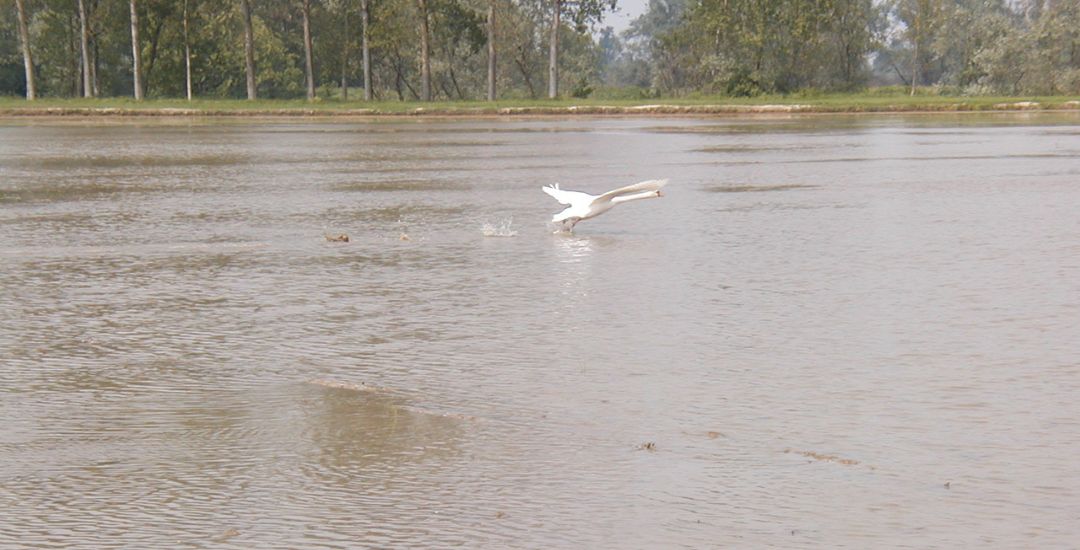
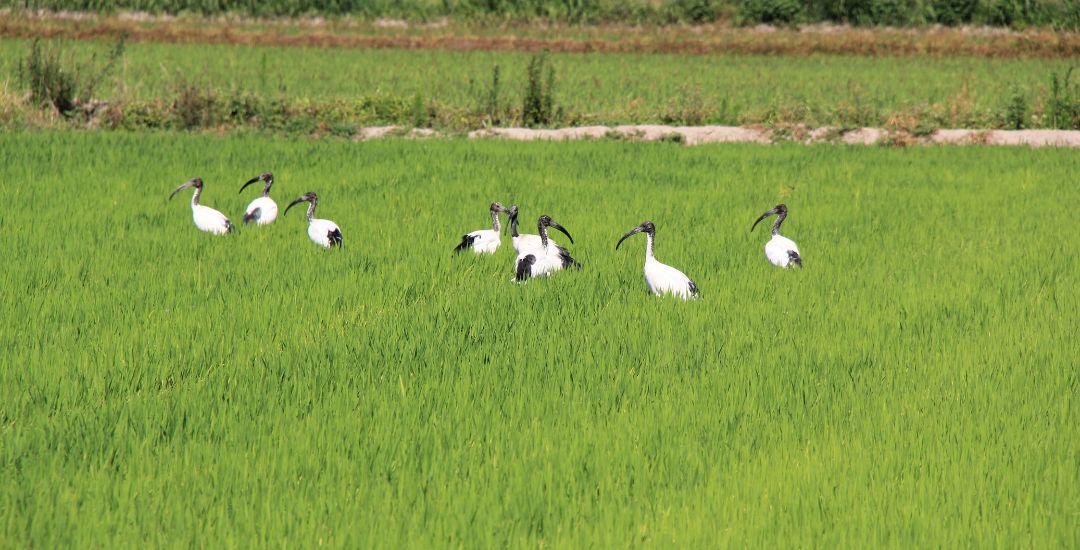
W inter flooding: between October and November, once the harvest is complete, the rice fields are flooded again for approximately 60 days to restore and improve the ideal conditions for local wildlife repopulation. Migratory birds such as ibises, herons, and egrets become permanent residents once again, returning to nest and thrive in our territory.
This practice also helps preserve soil health by promoting cultivation techniques that minimize soil disturbance and improve fertility.
At the same time, it increases the soil’s ability to absorb and retain water while storing carbon, helping mitigate climate change and reduce CO₂ emissions.
T argeted green manure crops: Where flooding is not possible, we continue planting even outside the traditional growing season.
These autumn-winter cover crops belong to the legume family — such as clover and vetch — and naturally enrich the soil through nitrogen fixation
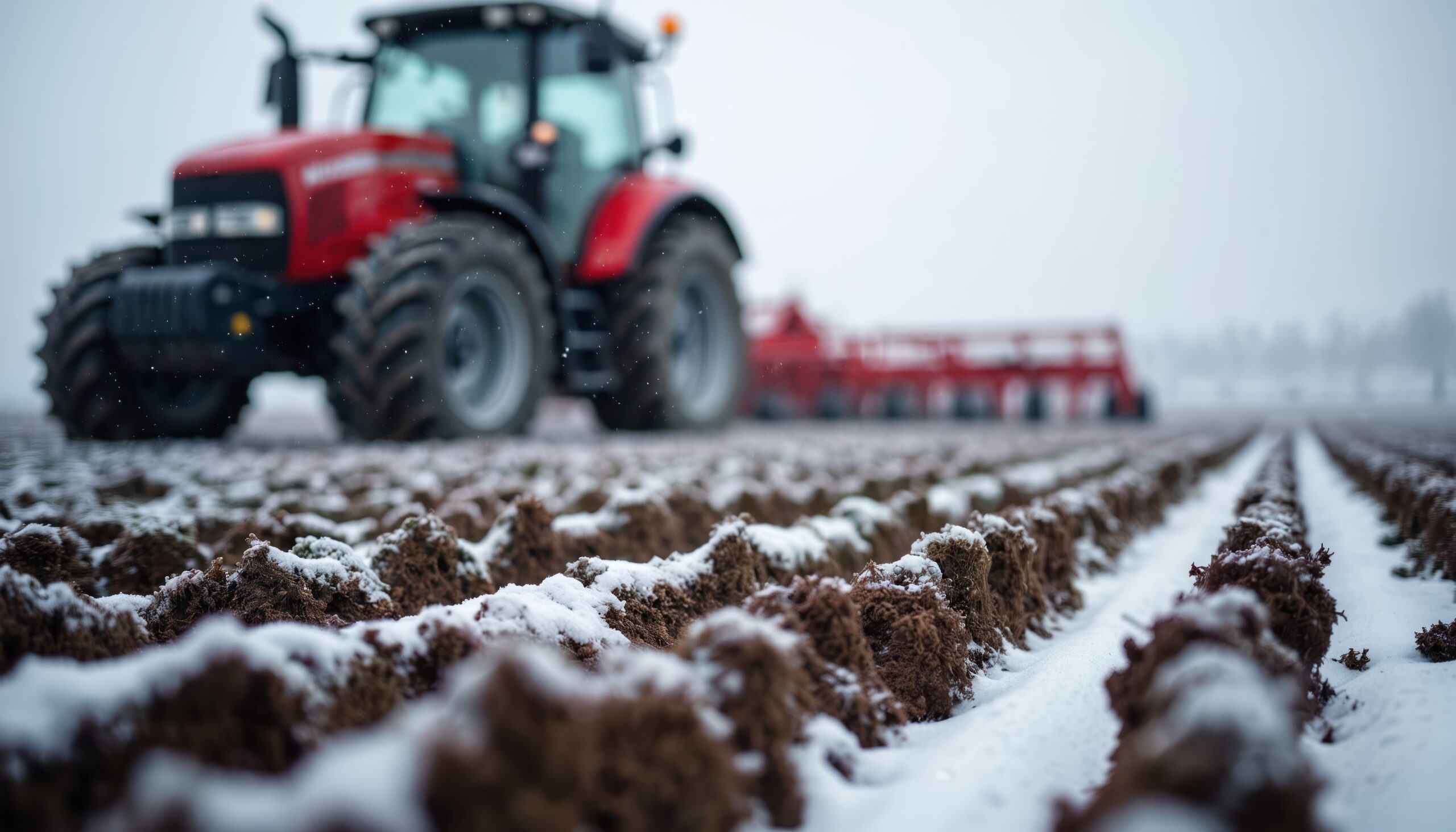
Rather than being harvested, these crops are incorporated back into the soil during February ploughing, creating natural fertilization for the fields.
This approach allows us to manage fertilization in an integrated way while keeping nitrogen application below 150 units.
Spring
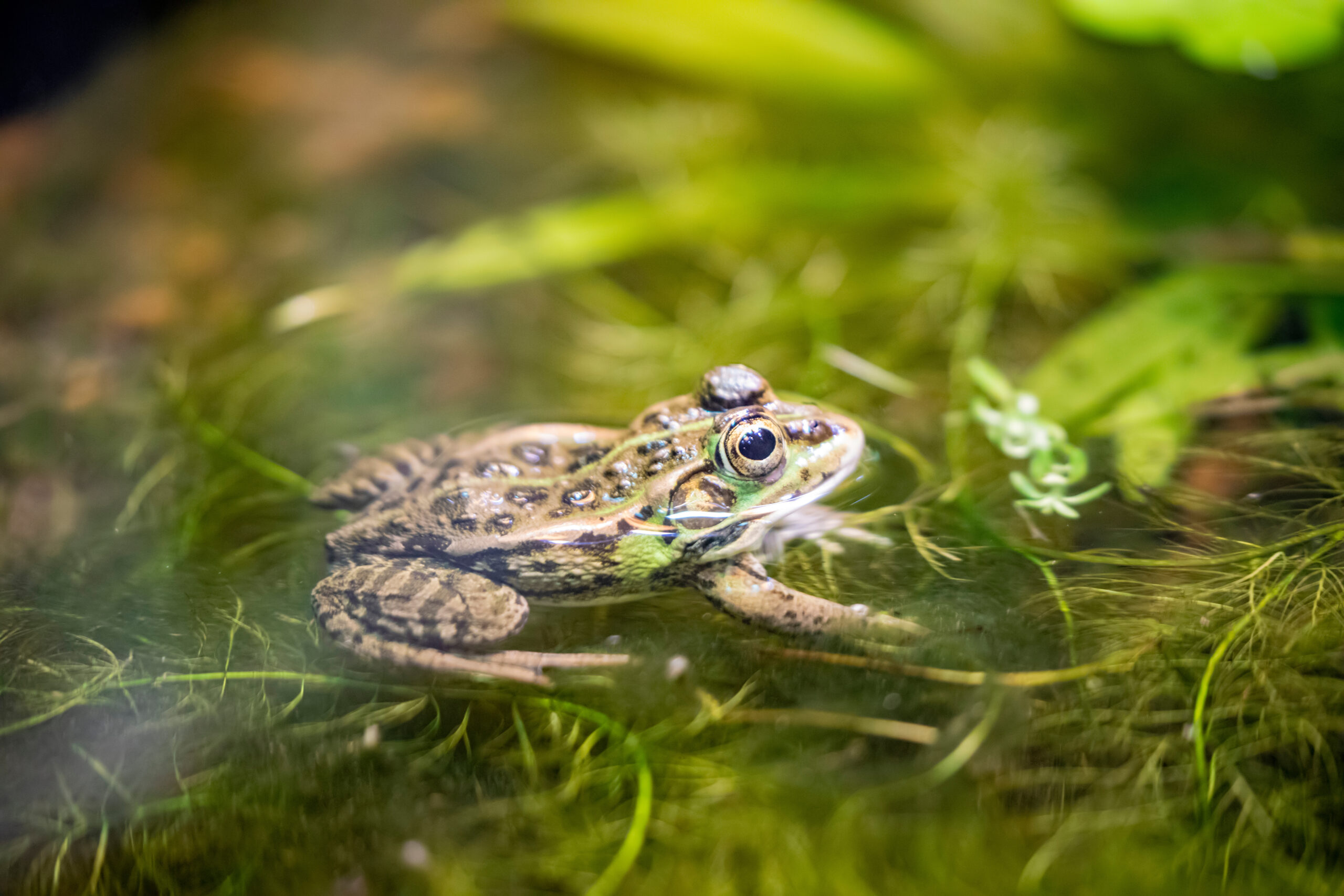
F rog channels: To support aquatic wildlife repopulation and biodiversity, in April we create dedicated channels along one side of the rice fields — approximately 80x40 cm — specifically designed to provide a habitat for frogs.
When the rice field is flooded, the channel fills with water as well, creating an ideal environment for amphibians and small aquatic animals.
M echanical embankment weed control: we do not use chemical herbicides on field embankments.
Instead, weed control is carried out mechanically by our operators, without the use of phytosanitary chemicals, always with the goal of protecting our territory and its wildlife.
Concrete actions, 365 days a year
Our rice fields are a living ecosystem that supports biodiversity, environmental balance, and the protection of local flora and fauna.
Because we are young, and we believe in looking ahead
Winter
W inter flooding: between October and November, once the harvest is complete, the rice fields are flooded again for approximately 60 days to restore and improve the ideal conditions for local wildlife repopulation. Migratory birds such as ibises, herons, and egrets become permanent residents once again, returning to nest and thrive in our territory.
This practice also helps preserve soil health by promoting cultivation techniques that minimize soil disturbance and improve fertility.
At the same time, it increases the soil’s ability to absorb and retain water while storing carbon, helping mitigate climate change and reduce CO₂ emissions.
T argeted green manure crops: Where flooding is not possible, we continue planting even outside the traditional growing season.
These autumn-winter cover crops belong to the legume family — such as clover and vetch — and naturally enrich the soil through nitrogen fixation
Rather than being harvested, these crops are incorporated back into the soil during February ploughing, creating natural fertilization for the fields.
This approach allows us to manage fertilization in an integrated way while keeping nitrogen application below 150 units.
Spring
F rog channels: To support aquatic wildlife repopulation and biodiversity, in April we create dedicated channels along one side of the rice fields — approximately 80x40 cm — specifically designed to provide a habitat for frogs.
When the rice field is flooded, the channel fills with water as well, creating an ideal environment for amphibians and small aquatic animals.
M echanical embankment weed control: we do not use chemical herbicides on field embankments.
Instead, weed control is carried out mechanically by our operators, without the use of phytosanitary chemicals, always with the goal of protecting our territory and its wildlife.
Our commitment to the community
We believe sustainability is not only about the environment, but also about people.
That is why we support organizations that work every day within the local community, contributing to collective well-being and social solidarity.
PARTNERSHIP AND VOLUNTEERING
. Croce Azzurra Robbiese: volunteers and emergency responders for 118 emergency services
. Don Orione: collaboration with Piccolo Cottolengo Don Orione in Milan
. Community support initiatives : Gruppo Volontari Vigili del Fuoco Robbio (Agrap) and City Angels Novara
Our commitment to the community
We believe sustainability is not only about the environment, but also about people.
That is why we support organizations that work every day within the local community, contributing to collective well-being and social solidarity.
PARTNERSHIP AND VOLUNTEERING
- Croce Azzurra Robbiese — volunteers and emergency responders for 118 emergency services
- Don Orione — collaboration with Piccolo Cottolengo Don Orione in Milan
- Community support initiatives — Gruppo Volontari Vigili del Fuoco Robbio (Agrap) and City Angels Novara
A shared responsibility
Supporting the territory means taking care of the people who live in it every day.
Our social commitment comes from the desire to contribute in a tangible way, creating value beyond agricultural activity alone.
A shared responsibility
Supporting the territory means taking care of the people who live in it every day.
Our social commitment comes from the desire to contribute in a tangible way, creating value beyond agricultural activity alone.