


A cycle that lasts all year long.
From soil preparation to harvest, every season requires precise and coordinated work.
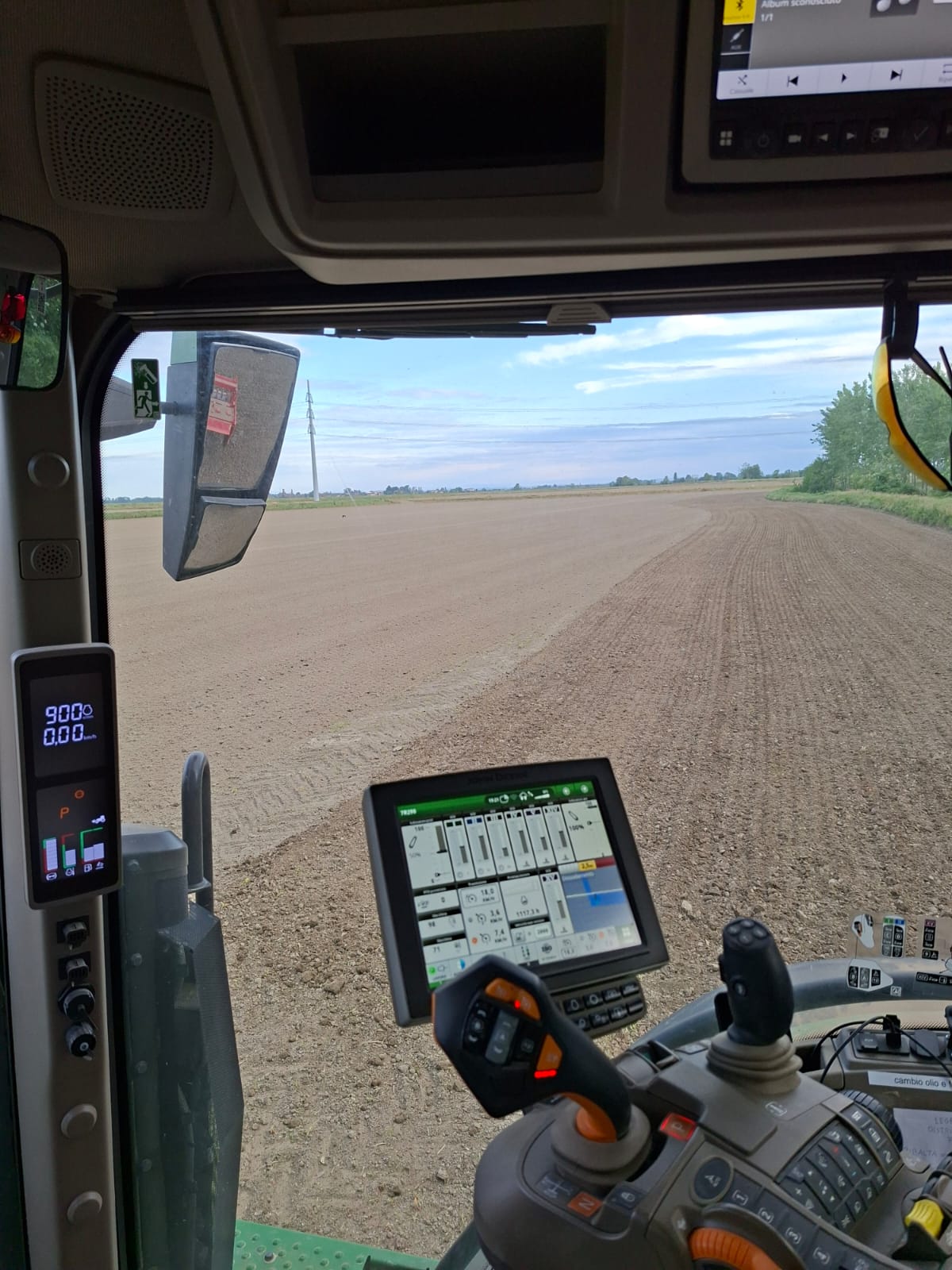
A cycle that lasts all year long.
From soil preparation to harvest, every season requires precise and coordinated work.
The rice cultivation cycle, month by month
- FEBRUARY
We begin with soil preparation. The process starts with ploughing, followed by laser leveling. This step is essential in rice cultivation because the flatter the field, the easier the flooding process becomes: water flows more efficiently across a perfectly level surface. - MARCH
 We move on to the first fertilization stage — a crucial step that supports the germination of the crop.
Once the fertilizer is incorporated into the soil, channels are created to allow water into the fields.
We move on to the first fertilization stage — a crucial step that supports the germination of the crop.
Once the fertilizer is incorporated into the soil, channels are created to allow water into the fields.
- LATE MARCH - EARLY APRIL
 Water arrives and must reach a depth of approximately 20 cm.
Once the field is fully submerged, we carry out the first weed control treatment. About a week later, the sowing process can begin.
Water arrives and must reach a depth of approximately 20 cm.
Once the field is fully submerged, we carry out the first weed control treatment. About a week later, the sowing process can begin. - SECOND HALF OF APRIL AND SECOND HALF OF MAY
(depending on the rice variety) This is sowing season. Rice seeds arrive in large 500 kg bags and must undergo a soaking process before being planted. Around 24 hours before sowing, the seeds are immersed in water so they absorb moisture and do not float once distributed in the flooded fields. Approximately three weeks after sowing, when the seedlings reach the third leaf stage, the second weed control treatment is carried out. - JUNE/SEPTEMBER
During this period, we perform additional weed control treatments and three fertilization cycles, spaced about 15 days apart.
- SEPTEMBER/OCTOBER
The rice reaches maturity and harvest finally begins. Freshly harvested rice has a moisture content of around 22%, so it must be dried in dedicated drying facilities until it reaches approximately 12% moisture, making it suitable for storage or immediate sale.
- FROM NOVEMBER TO JANUARY
We take care of our fields, the environment, our territory, and local wildlife through sustainable practices such as winter flooding, targeted green manure crops, and frog-friendly irrigation ditches.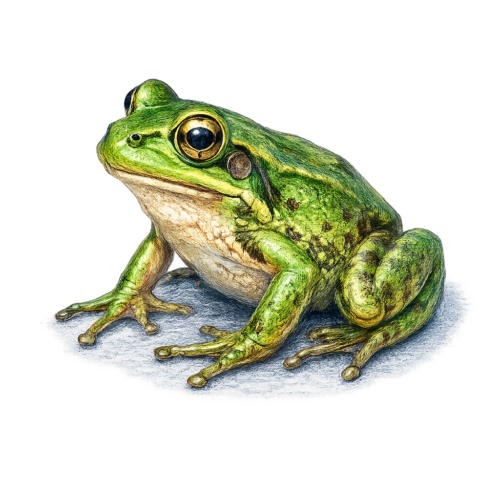
The rice cultivation cycle, month by month
- FEBRUARY
We begin with soil preparation. The process starts with ploughing, followed by laser leveling. This step is essential in rice cultivation because the flatter the field, the easier the flooding process becomes: water flows more efficiently across a perfectly level surface. - MARCH
We move on to the first fertilization stage — a crucial step that supports the germination of the crop.
Once the fertilizer is incorporated into the soil, channels are created to allow water into the fields. - LATE MARCH - EARLY APRIL
Water arrives and must reach a depth of approximately 20 cm.
Once the field is fully submerged, we carry out the first weed control treatment. About a week later, the sowing process can begin. - SECOND HALF OF APRIL AND SECOND HALF PF MAY
(depending on the rice variety) This is sowing season. Rice seeds arrive in large 500 kg bags and must undergo a soaking process before being planted. Around 24 hours before sowing, the seeds are immersed in water so they absorb moisture and do not float once distributed in the flooded fields. Approximately three weeks after sowing, when the seedlings reach the third leaf stage, the second weed control treatment is carried out. - JUNE/SEPTEMBER
During this period, we perform additional weed control treatments and three fertilization cycles, spaced about 15 days apart. - SEPTEMBER/OCTOBER
The rice reaches maturity and harvest finally begins. Freshly harvested rice has a moisture content of around 22%, so it must be dried in dedicated drying facilities until it reaches approximately 12% moisture, making it suitable for storage or immediate sale. - DFROM NOVEMBER TO JANUARY
We take care of our fields, the environment, our territory, and local wildlife through sustainable practices such as winter flooding, targeted green manure crops, and frog-friendly irrigation ditches.
Quality begins in the field
Every agronomic decision affects the final result. The quality of our paddy rice is the outcome of precise, continuous work throughout the entire cultivation cycle.
Our rice varieties
We cultivate Long A rice varieties.
They have been carefully selected to guarantee high-quality standards.
Quality begins in
the field
Every agronomic decision affects the final result. The quality of our paddy rice is the outcome of precise, continuous work throughout the entire cultivation cycle.
Our rice varieties
We cultivate Long A rice varieties.
They have been carefully selected to guarantee high-quality standards.